Berkeley Drops Probe of Duesberg After Finding 'Insufficient Evidence' - ScienceInsider
ScienceInsider reports:
The paper that cost the editor of Medical Hypotheses his job will have no further consequences for its main author, molecular virologist Peter Duesberg of the University of California (UC), Berkeley. The university has ended its misconduct investigation after concluding that Duesberg was within his rights when he wrote that there is no evidence of a deadly AIDS epidemic in South Africa.
Duesberg's paper, published online on 19 July 2009, triggered a storm of protests from AIDS scientists and activists. Elsevier, the publisher of Medical Hypotheses, has retracted the article and has terminated the contract of the journal's editor, Bruce Charlton of Newcastle University in the United Kingdom, who declined to introduce a peer review system at the 35-year-old journal.

MMR-scare doctor Andrew Wakefield struck from the register
 Andrew Wakefield
The doctor who sparked the "MMR scare" and a hero of the anti-vaccination movement, Andrew Wakefield, has been struck from the medical register in the United Kingdom by the General Medical Council after being found guilty of serious misconduct. The GMC found that he had "abused his position of trust" and "brought the medical profession into disrepute" through "multiple separate instances of serious professional misconduct". The Guardian reports:
Andrew Wakefield, the doctor at the centre of the MMR scare, has been struck off the medical register after being found guilty of serious professional misconduct.
He was not at the General Medical Council (GMC) hearing to receive the verdict on his role in a public health debacle which saw vaccination of young children against measles, mumps and rubella plummet.
The GMC said he acted in a way that was dishonest, misleading and irresponsible while carrying out research into a possible link between the measles, mumps and rubella (MMR) vaccine, bowel disease and autism.
AIDS Denialism, Medical Hypotheses, and The University of California’s Investigation of Peter Duesberg
AIDStruth.org, April 2010
AIDS denialist and U.C. Berkeley Professor Peter Duesberg has recently received media coverage following the withdrawal of a paper of his by the publisher, Elsevier, and an investigation into his conduct by the University. [1] Here, we provide some background and a timeline of events in the unfolding drama.
AIDS denialism, which Peter Duesberg has promoted tirelessly for the past quarter century, has claimed many victims from the ranks of HIV-positive people who believe in its tenets: that HIV is harmless or non-existent, antiretroviral drugs (ARVs) cause AIDS, and lifestyle choices and alternative therapies can prevent AIDS-related illness and death. [2] These deaths, caused by the fusion of ignorance and lies, are regrettable and tragic. They are dwarfed in scope, however, by what happened at the end of the millennium in South Africa. There, hundreds of thousands of people died when the apparatus of state was placed in service of Duesberg’s theories on HIV and AIDS.
New research on elite controllers
AIDS:15 May 2010 - Volume 24 - Issue 8 - p 1095–1105; doi: 10.1097/QAD.0b013e3283377a1e
HIV+ elite controllers have low HIV-specific T-cell activation yet maintain strong, polyfunctional T-cell responses
Owen, Rachel E; Heitman, John W; Hirschkorn, Dale F; Lanteri, Marion C; Biswas, Hope H; Martin, Jeffrey N; Krone, Melissa R; Deeks, Steven G; Norris, Philip J; the NIAID Center for HIV/AIDS Vaccine Immunology
Abstract
Objective: HIV+ elite controllers are a unique group of rare individuals who maintain undetectable viral loads in the absence of antiretroviral therapy. We studied immune responses in these individuals to inform vaccine development, with the goal of identifying the immune correlates of protection from HIV.
Methods: We compared markers of cellular activation, HIV-specific immune responses and regulatory T (Treg) cell frequencies in four groups of individuals: HIV-negative healthy controls, elite controllers (HIV RNA level <75 copies/ml), individuals on HAART and individuals with HIV RNA level more than 10 000 copies/ml (noncontrollers).
Statement by Nathan Geffen on Complaint Against Peter Duesberg
Two media articles create the impression that I complained anonymously about Peter Duesberg to the University of California Berkeley. These are:
There was nothing anonymous about my complaint. I believe that Duesberg failed to declare a conflict of interests of one of his co-authors in an article published in a journal called Medical Hypotheses. I consequently lodged a complaint with the University. I believe high quality journals should hold the first author responsible for a failed declaration of conflict of interests by co-authors (unless the co-author hid the conflict from the first author which is definitely not the case here). Duesberg was the first author of this article. Admittedly, Medical Hypotheses is not a high quality journal.
On 9 April 2010 UCB emailed me asking if I was prepared to have my complaint given to Duesberg in full with my name on it. I unhesitatingly answered yes immediately upon receipt of the email. My complaint has never been anonymous.
British Chiropractic Association drops libel action against science writer after losing key issue in Appeals Court
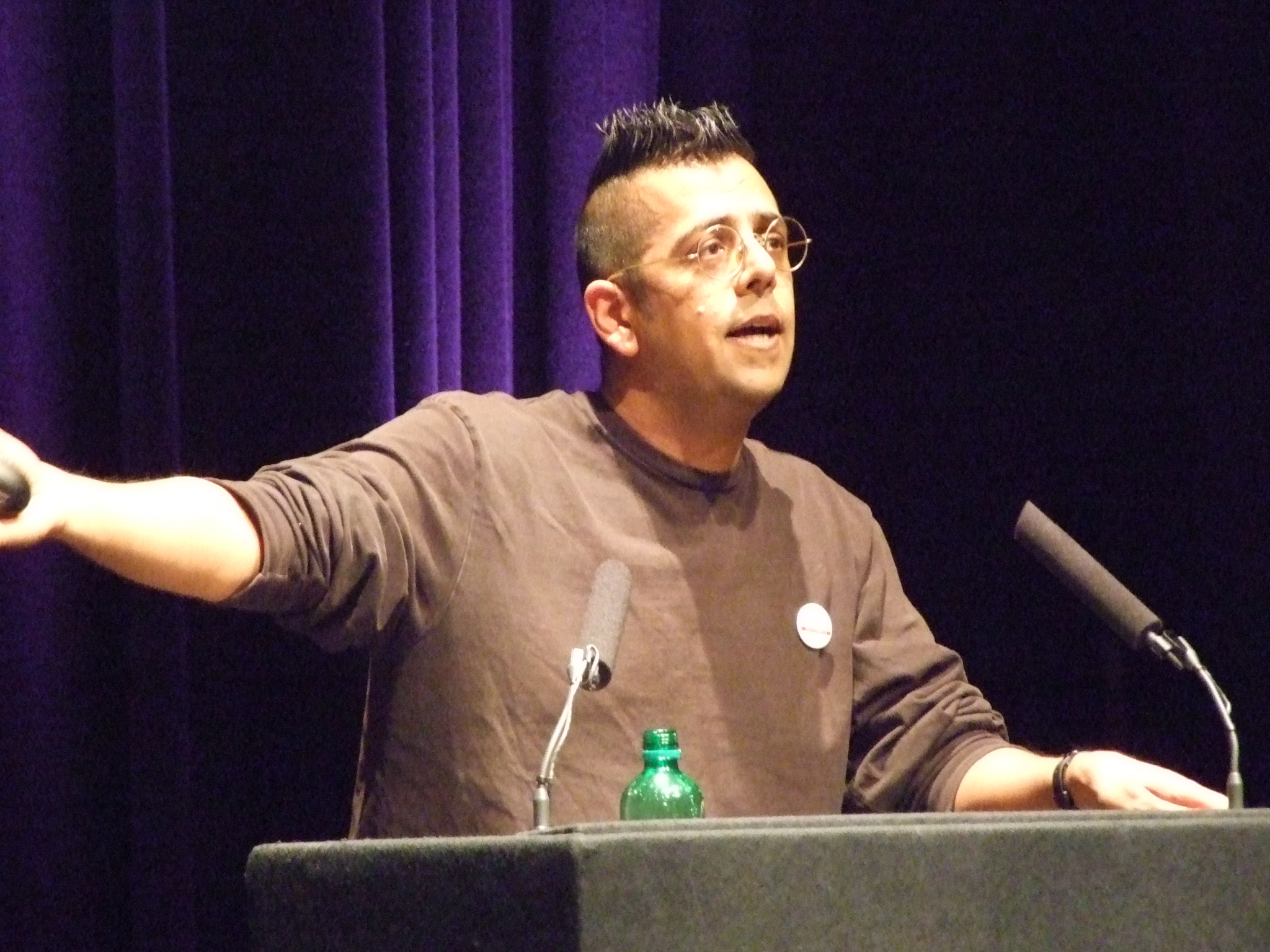 Simon Singh: Image credit: Gaius Cornelius (CC-A-SA)We reported previously on the libel action the British Chiropractic Association won in a lower court against esteemed British science writer Simon Singh after he called their claims that chiropractic could treat childhood diseases "bogus". The lower court had found that his statements were statements of fact, and that he therefore had to prove that the BCA knew that their claims were false when they made them. They have now abandoned their case against Singh after he won a key argument on appeal, namely that his article constituted comment and not statements of fact.
Research shows pregress in maternal mortality but substantial impact of HIV
Maternal mortality for 181 countries, 1980—2008: a systematic analysis of progress towards Millennium Development Goal 5
Margaret C Hogan MSc , Kyle J Foreman AB, Mohsen Naghavi MD, Stephanie Y Ahn BA, Mengru Wang BA, Susanna M Makela BS, Prof Alan D Lopez PhD, Prof Rafael Lozano MD, Prof Christopher JL Murray MD
Summary
Background
Maternal mortality remains a major challenge to health systems worldwide. Reliable information about the rates and trends in maternal mortality is essential for resource mobilisation, and for planning and assessment of progress towards Millennium Development Goal 5 (MDG 5), the target for which is a 75% reduction in the maternal mortality ratio (MMR) from 1990 to 2015. We assessed levels and trends in maternal mortality for 181 countries.
Methods
We constructed a database of 2651 observations of maternal mortality for 181 countries for 1980—2008, from vital registration data, censuses, surveys, and verbal autopsy studies. We used robust analytical methods to generate estimates of maternal deaths and the MMR for each year between 1980 and 2008. We explored the sensitivity of our data to model specification and show the out-of-sample predictive validity of our methods.
Findings
We estimated that there were 342 900 (uncertainty interval 302 100—394 300) maternal deaths worldwide in 2008, down from 526 300 (446 400—629 600) in 1980. The global MMR decreased from 422 (358—505) in 1980 to 320 (272—388) in 1990, and was 251 (221—289) per 100 000 livebirths in 2008. The yearly rate of decline of the global MMR since 1990 was 1·3% (1·0—1·5). During 1990—2008, rates of yearly decline in the MMR varied between countries, from 8·8% (8·7—14·1) in the Maldives to an increase of 5·5% (5·2—5·6) in Zimbabwe. More than 50% of all maternal deaths were in only six countries in 2008 (India, Nigeria, Pakistan, Afghanistan, Ethiopia, and the Democratic Republic of the Congo). In the absence of HIV, there would have been 281 500 (243 900—327 900) maternal deaths worldwide in 2008.
Interpretation
Substantial, albeit varied, progress has been made towards MDG 5. Although only 23 countries are on track to achieve a 75% decrease in MMR by 2015, countries such as Egypt, China, Ecuador, and Bolivia have been achieving accelerated progress.
Funding
Bill & Melinda Gates Foundation.
Quackery taken to task
by Lesley Odendal
First published by health-e. This article is republished by AIDSTruth because it deals with political support for AIDS denialism.
OPINION:Nathan Geffen’s book Debunking Delusions reminds us what can go wrong when AIDS denialists are given the time of day. The book also documents clearly how we can fight denialism in a manner that saves lives and respects science. What is clear given the resurgence of AIDS denialist propaganda is that now is not the time to sit back.
As Geffen argues in his book, underlying the Treatment Action Campaign’s success in fighting denialism and quackery was the almost unsung treatment education programme. Knowledge truly is power in this case.
Elsevier issues ultimatum to Medical Hypotheses editor
In a stunning indictment of the pseudoscience published in Medical Hypotheses, the journal's publisher has issued an ultimatum to the editor: implement peer review or resign. This comes after the retraction of two AIDS denialist papers that the journal published, which were unanimously rejected by five reviewers in a process managed by The Lancet. The papers, “HIV-AIDS hypothesis out of touch with South African AIDS: A new perspective” by Peter Duesberg and “AIDS denialism at the ministry of health” by Marco Ruggiero, caused great concern in the scientific community and several prominent AIDS researchers wrote to the publisher expressing their concern. The retractions and Elsevier's decision to implement peer review at the journal will no doubt be held up by denialists as evidence of "censorship," but in fact illustrates that "dissident science" does not stand up to the scrutiny of peer review. Medical Hypotheses does not conduct peer review and had under the leadership of its present editor, Bruce Charlton, become a haven for pseudoscience of various kinds, including AIDS denialism.
Below are two reports on the publisher's steps to reform Medical Hypotheses.
Zoë Corbyn writes in Times Higher Education:
The editor of the journal Medical Hypotheses has been given until 15 March either to implement changes to adopt a traditional peer-review system, or to resign.
He has also been told that even if he stays with the journal, his contract will not be renewed at the end of the year.
As Times Higher Education reported in January, publisher Elsevier is attempting to rein in its unorthodox journal, which publishes papers on the basis of how interesting or radical they are rather than using peer review, after it published a paper last July that denied the link between HIV and Aids.
Debunking Delusions - New book by Nathan Geffen
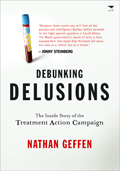 AidsTruth contributor and a leader of the Treatment Action Campaign, Nathan Geffen, has published a new book documenting AIDS denialism and the related quackery in South Africa titled Debunking Delusions: The Inside Story of the Treatment Action Campaign. We will publish a full review soon. More information can be found at the book's website. Below is the publisher's summary of the book.
Summary
One of the great, iconic struggles for social justice in the 21st century has been the campaign of the TAC against state-supported Aids denialism in South Africa. This struggle between activists, scientists and health workers, on the one hand, and a strange alliance of dissidents, quacks and political leaders, on the other, is here recounted in absorbing and dramatic detail for the first time by an insider. In his book Nathan Geffen, one of the TAC leaders, describes how early on in its life the organisation discovered that the greatest obstacle to AIDS treatment was in fact the South African government’s denialism. Not only did this extend to a reluctance to provide antiretroviral treatment to AIDS patients but also to support of a host of quacks and denialists who operated freely in the country to sow suspicion and confusion about the efficacy of standard medical treatment of AIDS. The most notorious of these were the German vitamin seller, Dr Matthias Rath, who along the way sued The Guardian of London and lost his case, and the Dutch nurse Tine van der Maas. It was the TAC that, as a result of a court case it brought against Rath, managed to stop his operations in South Africa; and it was the TAC, once again through legal means, that put pressure on the South African government to roll out an antiretroviral programme throughout the country. Geffen describes not only the TAC’s response to the puzzling intransigence of government and the spellbinding nonsense of dissidents, but the thought, strategy and discussion that lay behind the organisation’s major decisions. The story of the TAC’s campaign is one of the great triumphs of citizen activism for social justice and human rights.
Junk Science Kills
Elizabeth M. Whelan writes in the New York Post:
The media gave big headlines to this week's stories on a prestigious British medical publication's retraction of an article that had claimed to show a causal link between standard childhood vaccinations (measles, mumps and rubella) and autism.
Yet the coverage of the Lancet affair didn't truly convey the outrageousness of the original publication or the gravity of its consequences -- consequences long festering, since the paper was published not last week but 12 years ago.
Many of us in the scientific community recognized the "study" as junk when it appeared in 1998. Even before we learned of then-unknown ethical failings by its lead author, we knew the study was based on a tiny population of only 12 children. More, it relied on a novel methodology that assumed some bizarre, previously unheard of, association between children's autism and their manifestation of intestinal problems.
Nonetheless, the media back then seized on this story from a prestigious medical source -- and the scare picked up steam when TV appearances by actress Jenny McCarthy and a Rolling Stone article by Robert Kennedy Jr. blared word of the putative dangers of vaccines.
Salon.com: The autism-vaccine lie that won't die
Rahul K. Parikh, M.D. writes on Salon.com:
The media trumpeted an irresponsible study, ensuring that its nasty legacy thrives
Feb. 05, 2010
This week, Dr. Andrew Wakefield's now infamous study linking the MMR vaccine to autism was finally retracted by the prestigious Lancet medical journal. The move came days after medical officials in the United Kingdom found the doctor guilty of multiple ethics violations. For doctors, this is a victory -- but a bittersweet one.
As a pediatrician, I grapple daily with what Wakefield wrought: parents who are twisted in knots -- to the point of tears -- about whether to immunize their child. In the 12 years since the publication of Wakefield's study, 10 of his fellow co-authors have denounced him, and an unremitting series of revelations have exposed just how corrupt his motives and methods were. Most important, multiple studies verified there is no link between the MMR (or any other) vaccine and autism. Meanwhile, infectious diseases once confined to medical history have broken out in our communities. To say the retraction is criminally overdue is an understatement.
Further, even as Wakefield's research is expunged from the scientific record, what he spawned -- a well-funded, vocal, even rabid movement -- will remain. Without him, poster girl Jenny McCarthy would have been abandoned in the MTV archives instead of smugly crowing to Time magazine, "I do believe sadly it's going to take some diseases coming back to realize that we need to change and develop vaccines that are safe. If the vaccine companies are not listening to us, it's their f___ing fault that the diseases are coming back. They're making a product that's s___ ." And anti-vaccine darling David Kirby would split his time between running a P.R. firm and writing pithy articles about art and aircraft instead of turning speculation and rumor into a Kennedy-esque vaccine-autism conspiracy theory. Finally, Wakefield himself stands to be completely unaffected by both the U.K. medical community (which could revoke his license to practice there) and the Lancet's decision. He long ago settled here in the U.S. and successfully peddles his views through his Thoughtful House autism center in Texas.
The Price of Denial: A documentary on the legacy of AIDS denialism in South Africa
This documentary was produced by the non-profit health news agency Health-e and was recently broadcast on an independent television channel in South Africa.
View Part I:
(If you do not see the video above, your browser does not support HTML5 video playback. Download the video or visit this page in Firefox or Chrome.)
Download Part I in ogg/theora or in mp4.
Part II after the jump.
Wakefield, who linked MMR vaccine to autism, found to have shown "callous disregard" for children
The anti-vaccine movement, which shares characteristics with AIDS denialism (both like to blame pharmaceutical conspiracies) and which was originally based on claims by British surgeon Andrew Wakefield, has been dealt a decisive blow by a finding against Wakefield by the General Medical Council. Caims that the MMR vaccine was linked to autism have since been shown to be baseless, but are still promoted by some, including by groups linked to AIDS denialism. The Guardian reports:
Dr Andrew Wakefield, the expert at the centre of the MMR controversy, "failed in his duties as a responsible consultant" and showed a "callous disregard" for the suffering of children involved in his research, the General Medical Council (GMC) has ruled.
Wakefield also acted dishonestly and was misleading and irresponsible in the way he described research that was later published in the Lancet medical journal, the GMC said. He had gone against the interests of children in his care, and his conduct brought the medical profession "into disrepute" after he took blood samples from youngsters at his son's birthday party in return for payments of £5.
DART results show majority of HAART benefits can be achieved even without routine laboratory monitoring
The results from the DART trial, reported this week in The Lancet, provide important evidence for HAART programmes in resource-constrained settings. From commentary by Phillips & Oosterhout published alongside the results:
In much of sub-Saharan Africa, the scale-up of use of antiretroviral therapy has been so far achieved without routine laboratory monitoring of drug toxicity and efficacy. Until now, there has not been substantive evidence about the consequences of delivering antiretrovirals without such routine monitoring.
In The Lancet today, the DART Trial Team present the Development of AntiRetroviral Therapy in Africa (DART) trial. In DART at enrolment, all participants started triple-drug antiretroviral therapy and were randomised to clinically driven monitoring versus laboratory plus clinical monitoring for toxicity (haematology and biochemistry) and efficacy (CD4-cell counts). Over 5 years, the proportions who had one or more serious adverse events were almost identical, while there was a somewhat higher proportion in the group on clinically driven monitoring who had disease progression or death (28%, compared with 21% in the other group; hazard ratio 1·31, 95% CI 1·14—1·51). This benefit of laboratory plus clinical monitoring is probably due to the use of CD4 count rather than presence of clinical symptoms alone to decide on when to switch to a second-line regimen. This criterion for switching on the basis of CD4 count is just one of the CD4-count switch criteria recommended by WHO; the other criteria (on the basis of CD4-count change from baseline and from peak) are problematic to implement without a baseline CD4 count and frequent CD4 counts being available thereafter.
The other particularly striking result from DART is the 5-year survival in both groups: 87% for clinical monitoring and 90% for laboratory plus clinical monitoring. Such rates of survival are for people in whom the initial median CD4-cell count was 86 cells per μL. For comparison, the survival in the Entebbe cohort of untreated HIV-positive people in 5 years was below 10% (data presented in the DART report), which emphasises the huge clinical benefits of antiretroviral therapy. The DART Trial Team concluded from their results that antiretroviral therapy can be delivered safely with good-quality clinical care, which would allow treatment delivery to be decentralised, and that there is a role for CD4 testing from the second year on antiretrovirals to guide the switch to second-line therapy, which should encourage accelerated development of simpler and cheaper point-of-care CD4 tests. The DART investigators should be complimented for exceptional achievement by completing this important trial with such a low loss to follow-up (7%) in challenging circumstances, which shows that excellent trials can be done in Africa.
The results from DART are very important for antiretroviral programmes, no matter what their current level of routine laboratory monitoring. Programmes that currently deliver antiretrovirals without any laboratory monitoring can be reassured that the vast majority (but not all) of the potential survival benefit of such therapy can be realised with the use of such a simple approach (albeit with particularly intensive and high-quality clinical monitoring, which is a substantial challenge to achieve in routine settings throughout sub-Saharan Africa). Similarly, no antiretroviral programme should enhance laboratory monitoring at the expense of putting more people in need on these drugs. Those clinics that do use routine measurement of biochemistry and haematology can reduce their laboratory costs to enable spending on other aspects of the programme (which has already started in some programmes). Programmes that monitor people on antiretrovirals with CD4 counts should consider adopting the switch criterion used in DART of CD4 count below 100 cells per μL (ie, only this one of the WHO-recommended criteria, rather than all three), and apply this criterion to people who have been on therapy for at least 2 years. Such a delay should help to reduce the number of people in whom a switch is made when viral load is actually suppressed.
Read the commentary at The Lancet (open access; registration required)
Details on the main paper below:
Chigwedere & Essex refute AIDS denialist arguments in AIDS & Behavior
Also see the comment piece Still Crazy After All These Years (open access) by Nicoli Nattrass that appears in the same issue of AIDS & Behavior.
Update (22/01/2010): See AIDS Denialism Under Fire From Researchers by Nora Proops in The AIDS Beacon.
AIDS & Behavior. 2010 Jan 8. [Epub ahead of print]
AIDS Denialism and Public Health Practice
Chigwedere P, Essex M.
In this paper, we respond to AIDS denialist arguments that HIV does not cause AIDS, that antiretroviral drugs are not useful, and that there is no evidence of large-scale deaths from AIDS, and discuss the key implications of the relationship between AIDS denialism and public health practice. We provide a brief history of how the cause of AIDS was investigated, of how HIV fulfills Koch's postulates and Sir Bradford Hill's criteria for causation, and of the inconsistencies in alternatives offered by denialists. We highlight clinical trials as the standard for assessing efficacy of drugs, rather than anecdotal cases or discussions of mechanism of action, and show the unanimous data demonstrating antiretroviral drug efficacy. We then show how statistics on mortality and indices such as crude death rate, life expectancy, child mortality, and population growth are consistent with the high mortality from AIDS, and expose the weakness of statistics from death notification, quoted by denialists. Last we emphasize that when denialism influences public health practice as in South Africa, the consequences are disastrous. We argue for accountability for the loss of hundreds of thousands of lives, the need to reform public health practice to include standards and accountability, and the particular need for honesty and peer review in situations that impact public health policy.
Read the full article on SpringerLink (open access)
New myth debunked: The fact that some HIV-positive people live in good health without treatment for many years proves that HIV is harmless
Fact: A small percentage of people infected with HIV do live for many years without developing AIDS. They are often known as long-term non-progressors. But such individuals are rare: without proper medical care, including antiretroviral drugs when needed, most HIV-positive people will eventually develop AIDS.
As putative evidence that HIV is harmless, some HIV/AIDS denialists point to examples of HIV-infected people who survive for many years, even decades, without receiving antiretroviral treatment. HIV denialists often claim that these people survived because they avoided antiretroviral therapy, and that diet, exercise, nutritional supplements or herbal therapies, stress reduction, hypnosis, and other interventions prevent progression to AIDS. These claims are untrue and dangerous.
Declines in Mortality Rates and Changes in Causes of Death in HIV-1-Infected Children During the HAART Era
J Acquir Immune Defic Syndr. 2010 Jan;53(1):86-94.
Brady MT, Oleske JM, Williams PL, Elgie C, Mofenson LM, Dankner WM, Van Dyke RB; for the Pediatric AIDS Clinical Trials Group219/219C Team.
CONTEXT: Introduction of highly active antiretroviral therapy has significantly decreased mortality in HIV-1-infected adults and children. Although an increase in non-HIV-related mortality has been noted in adults, data in children are limited.
OBJECTIVES:: To evaluate changes in causes and risk factors for death among HIV-1-infected children in Pediatric AIDS Clinical Trials Group 219/219C.
DESIGN, SETTING, AND PARTICIPANTS:: Multicenter, prospective cohort study designed to evaluate long-term outcomes in HIV-1-exposed and infected US children. There were 3553 HIV-1-infected children enrolled and followed up between April 1993 and December 2006, with primary cause of mortality identified in the 298 observed deaths.
MAIN OUTCOME MEASURES:: Mortality rates per 100 child-years overall and by demographic factors; survival estimates by birth cohort; and hazard ratios for mortality by various demographic, health, and antiretroviral treatment factors were determined.
RESULTS:: Among 3553 HIV-1-infected children followed up for a median of 5.3 years, 298 deaths occurred. Death rates significantly decreased between 1994 and 2000, from 7.2 to 0.8 per 100 person-years, and remained relatively stable through 2006. After adjustment for other covariates, increased risk of death was identified for those with low CD4 and AIDS-defining illness at entry. Decreased risks of mortality were identified for later birth cohorts, and for time-dependent initiation of highly active antiretroviral therapy (hazard ratio 0.54, P < 0.001). The most common causes of death were "End-stage AIDS" (N = 48, 16%) and pneumonia (N = 41, 14%). The proportion of deaths due to opportunistic infections (OIs) declined from 37% in 1994-1996 to 24% after 2000. All OI mortality declined during the study period. However, a greater decline was noted for deaths due to Mycobacterium avium complex and cryptosporidium. Deaths from "End-stage AIDS," sepsis and renal failure increased.
CONCLUSIONS:: Overall death rates declined from 1993 to 2000 but have since stabilized at rates about 30 times higher than for the general US pediatric population. Deaths due to OIs have declined, but non-AIDS-defining infections and multiorgan failure remain major causes of mortality in HIV-1-infected children.
Science: HIV Natural Resistance Field Finally Overcomes Resistance
Science 11 December 2009: Vol. 326. no. 5959, pp. 1476 - 1477
Dozens of studies have been examining people who fend off HIV despite repeated exposures in an effort to find genetic or immunologic factors that can help guide AIDS vaccine research. But all too often the leads point in contradictory directions, in part because investigators use different assays to probe their samples, and there is little coordination among them. Many labs also use wildly varying criteria to decide who qualifies as HIV-resistant, making it difficult to sort out which study subjects were truly exposed and uninfected, were exposed and have an occult infection, or were never exposed in the first place. At the first-ever meeting on natural immunity to HIV, held from 15 to 17 November, researchers attempted to hammer out these and other issues.
doi: 10.1126/science.326.5959.1476
The effect of combined antiretroviral therapy on the overall mortality of HIV-infected individuals
AIDS. 2010 Jan 2;24(1):123-37.
HIV-CAUSAL Collaboration.
OBJECTIVE: To estimate the effect of combined antiretroviral therapy (cART) on mortality among HIV-infected individuals after appropriate adjustment for time-varying confounding by indication. DESIGN: A collaboration of 12 prospective cohort studies from Europe and the United States (the HIV-CAUSAL Collaboration) that includes 62 760 HIV-infected, therapy-naive individuals followed for an average of 3.3 years. Inverse probability weighting of marginal structural models was used to adjust for measured confounding by indication. RESULTS: Two thousand and thirty-nine individuals died during the follow-up. The mortality hazard ratio was 0.48 (95% confidence interval 0.41-0.57) for cART initiation versus no initiation. In analyses stratified by CD4 cell count at baseline, the corresponding hazard ratios were 0.29 (0.22-0.37) for less than 100 cells/microl, 0.33 (0.25-0.44) for 100 to less than 200 cells/microl, 0.38 (0.28-0.52) for 200 to less than 350 cells/microl, 0.55 (0.41-0.74) for 350 to less than 500 cells/microl, and 0.77 (0.58-1.01) for 500 cells/microl or more. The estimated hazard ratio varied with years since initiation of cART from 0.57 (0.49-0.67) for less than 1 year since initiation to 0.21 (0.14-0.31) for 5 years or more (P value for trend <0.001). CONCLUSION: We estimated that cART halved the average mortality rate in HIV-infected individuals. The mortality reduction was greater in those with worse prognosis at the start of follow-up.

